
Diary of a Shopkeeper, 22nd March
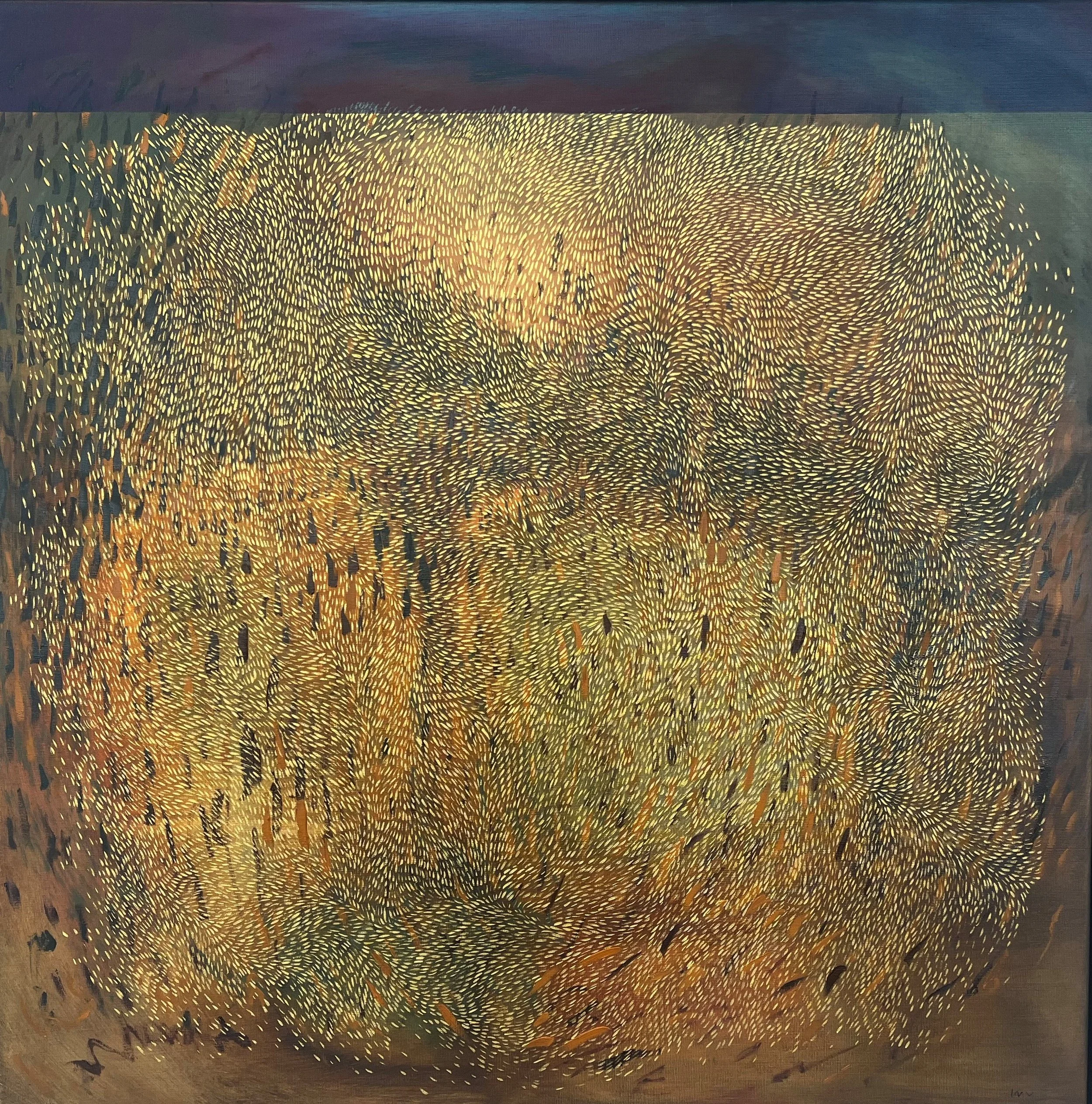
Laura Drever, Scara
A day after my last diary appeared in these pages, lamenting the disappearance of the invaluable Orkney Core Paths map, an email pinged into the shop.
‘Have you tried the gritting priorities map instead?’ wrote Sue P. ‘It has every house name and number, and is probably using the same underlying map as it seems to be used by multiple councils for multiple uses.’
It hadn’t crossed our minds to look at the council’s Winter Service web page, but when we followed the link Sue provided, we were glad we had. Not only is a crystal clear, high-res, zoomable map embedded right there on the page, but the layout is less cluttered and easier to navigate than the old Core Paths one. So thank you to the Roads Department for this excellent resource, and above all thanks to Sue P. for telling us about it.
The ease of browsing this map distracted me for half an hour as I zoomed in and out, exploring the coastline and country lanes of the West Mainland, savouring the poetry of Orkney’s placenames. In Costa, where we struggled to find Toom Pooches last week, I quickly found a hill called Rooman, a geo called Longatonga and a stretch of cliffs called the Pantland Craigs. And here was a farm called Sheep Wash! (I think. Or maybe it was just a sheep wash.) There’s so much social history tied up in these names, not to mention linguistic richness, with Old Norse, Scots and English each leaving their mark.
The evocative beauty of names such as these is a phenomenon noted and explored by painter Laura Drever. On my way back from my recent wine buying trip to London and Paris, my return journey was conveniently broken in Edinburgh. Convenient, because it allowed me time to visit The Scottish Gallery on Dundas Street and see Laura’s solo show, Glimro.
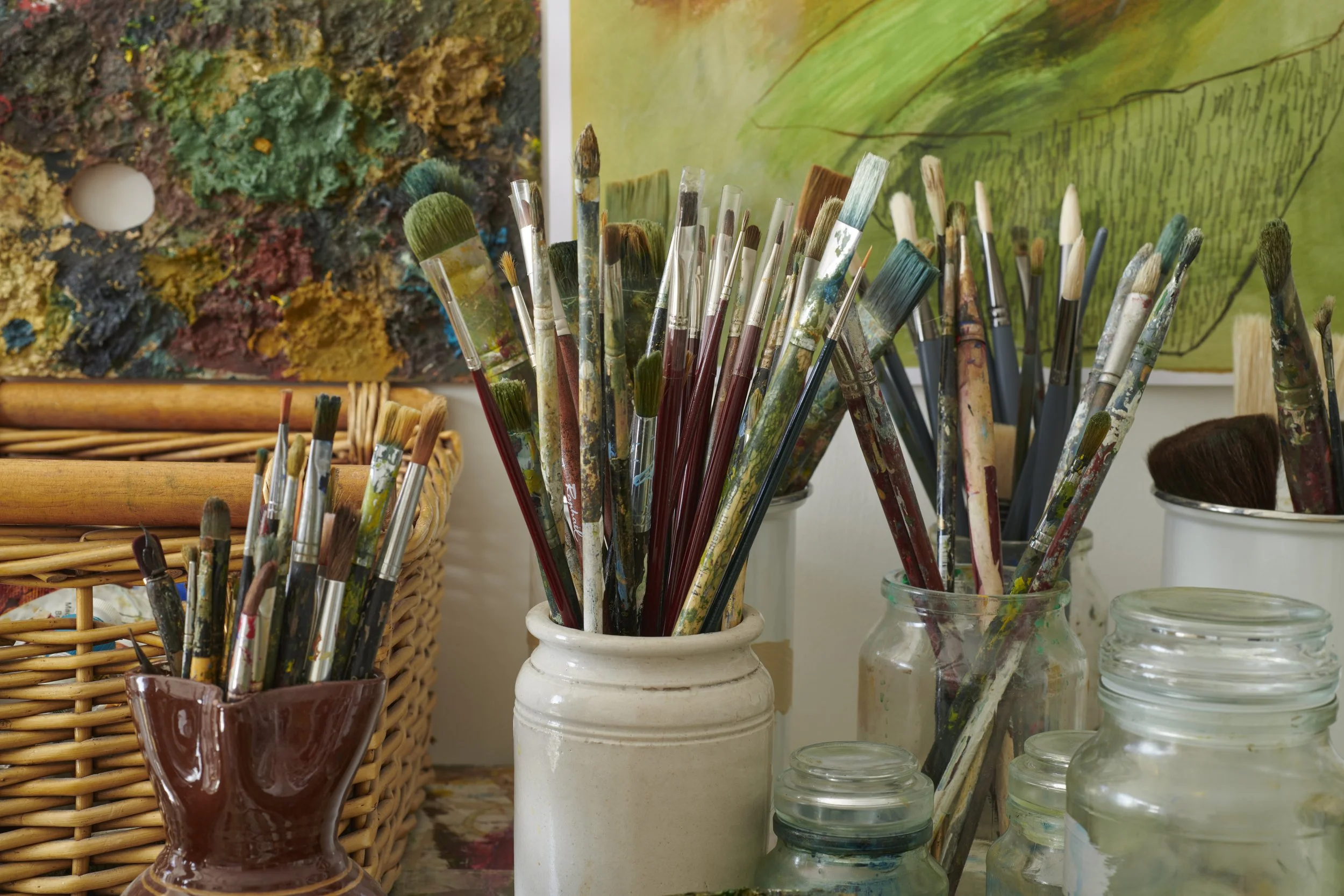
This major exhibition follows close on the heels of the equally ambitious Limro, at Brown’s Gallery in Inverness in autumn 2024, which in turn was preceded by the wide-ranging Teebro exhibition at the Pier Arts Centre in summer 2022. Laura’s productivity is impressive, but more importantly, her work operates consistently at the highest level of conception and execution. Her approach has evolved – not steadily, but in several dramatic leaps forward – since I first became aware of it 20 years ago. The paintings in Glimro are firmly in the style she has been focussing on since around the time of Teebro, but are more complex, richer, and more beautiful than ever.
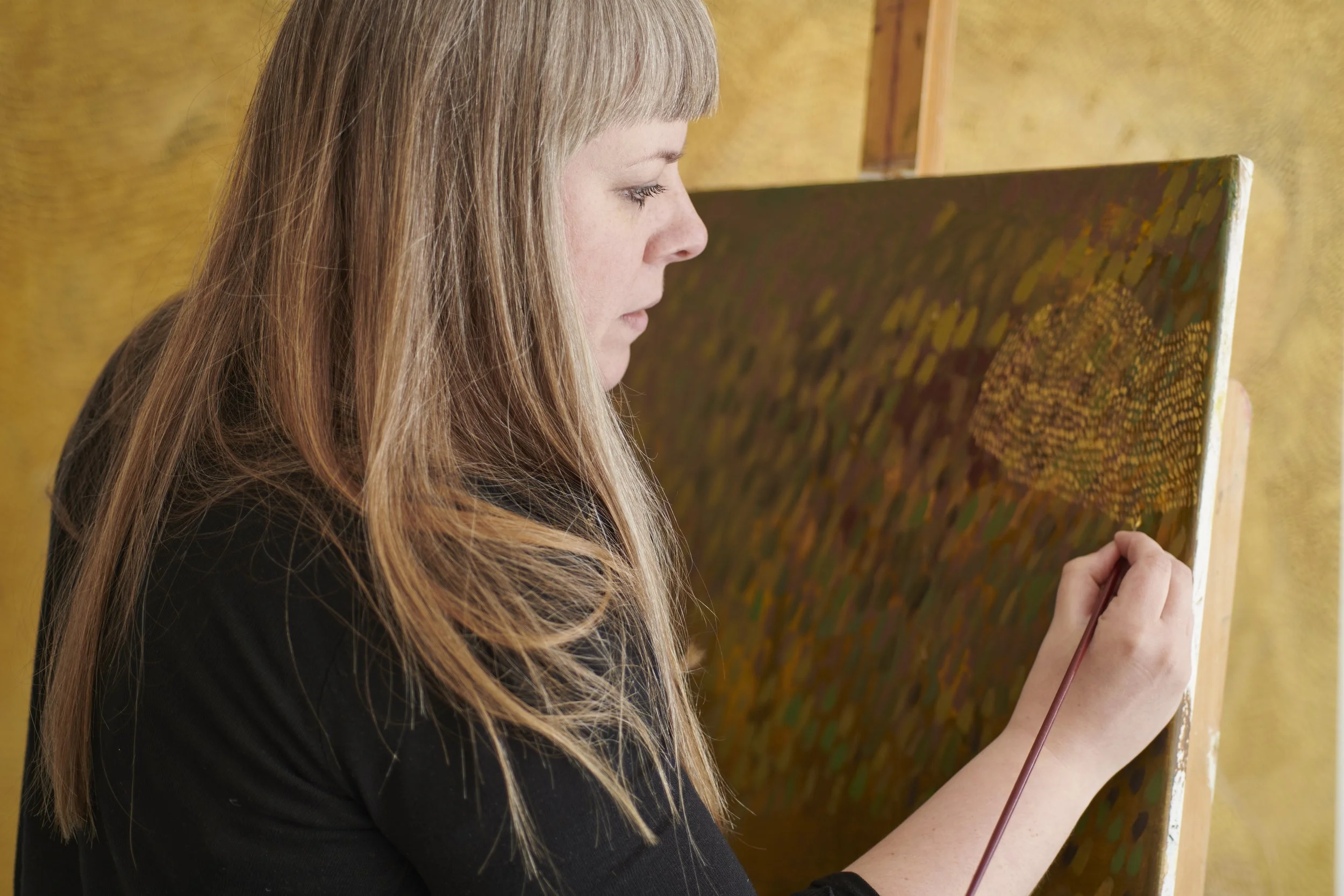
Canvases like Roseness, Newark and Yettna are so bold as to take the breath away. Laura’s trademark application of thousand of small bright brushstrokes evoking grasses in the wind, or light on wavetops, or glisks in the clouds, shimmer beautifully as always, revealing new effects depending on the angle of viewing and the changing light falling on them. In what seems to be the growing confidence of an artist at the height of her powers, many of these latest works involve intensely coloured pools, arches and horizons – often of cobalt or azure blue – contrasting with, and suggesting profound depths behind, the painstakingly constructed foreground focus of the pictures.
Laura’s appreciation of Sylvia Wishart’s work, and her evocation of fields of grasses and barley, as well as the play of light over the Orkney landscape, has often been noted. These latest works open up similarities with further flung artists. Looking at the boldest paintings in Glimro, I was reminded several times of Helen Frankenthaler. The movement known as Colour Field painting, of which Frankenthaler was a leading member, believed that emotion could be evoked in the viewer by colour alone. Strange to relate, I did find a tear coming to my eye several times as I walked around The Scottish Gallery. It’s hard to explain why. It’s not that I have personal connections with the places alluded to in Lauras titles – Tangi, Nessbreck, Smoogro – and in fact I don’t know where many of them are. Neither is it the case that Laura strives to compose ‘accurate’ representations of Orkney landscapes that might evoke particular memories. Nonetheless, in their recurring shapes – soft hills, long horizons – and colours – the gold of summer light, the blue of sea and sky, fifty shades of green – they are unmistakably Orcadian. And undeniably emotional.
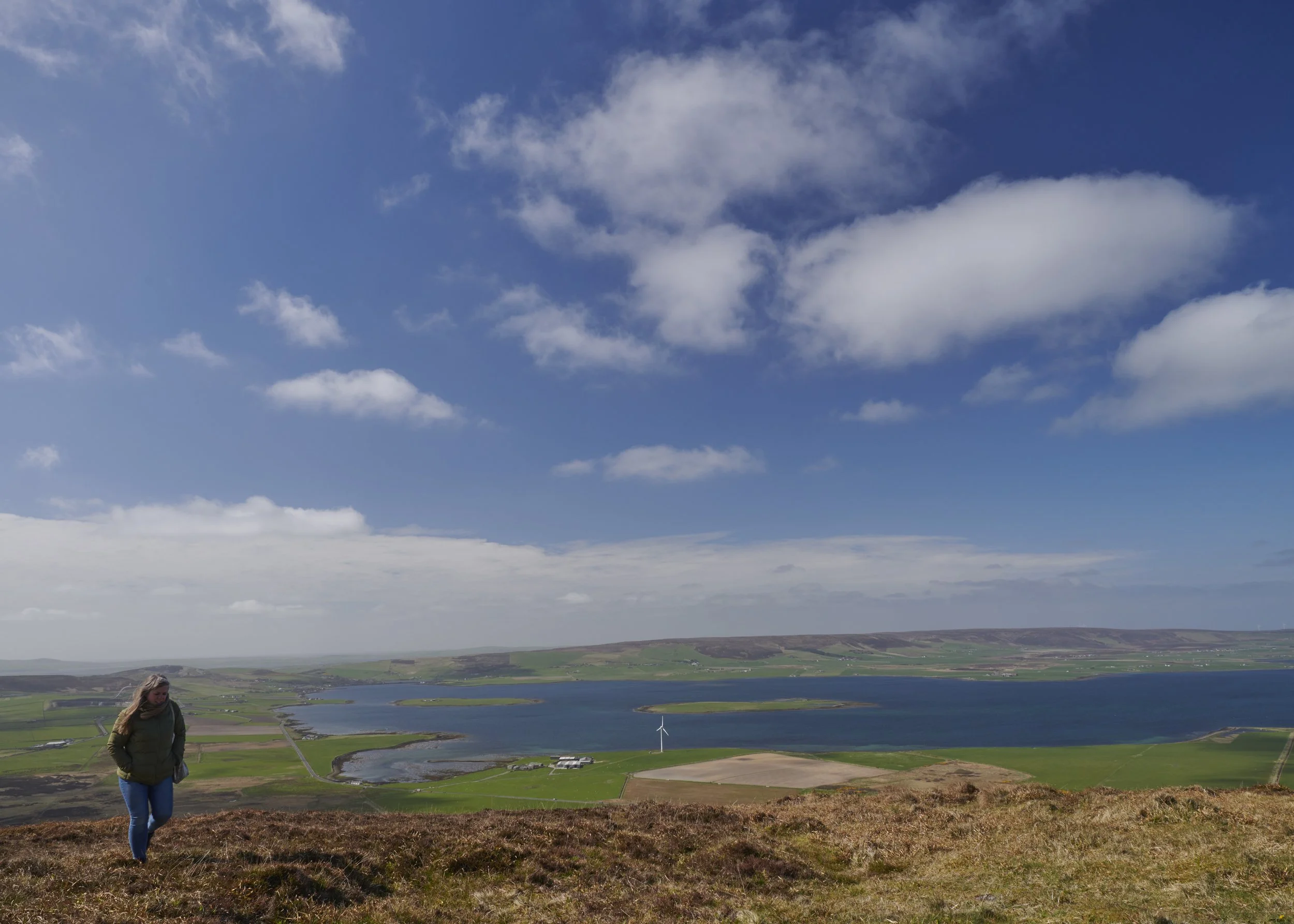
Laura has talked about her art being grounded in frequent long walks around different parts of Orkney. She walks in all weathers, at all times of the year: Glimro is loosely divided into four groups of works representing the four seasons. Her walking and observing combine with her appreciation of the poetry of Orkney placenames to produce work of rare power and beauty. Now that’s what I call core paths.
Glimro at The Scottish Gallery ends on Saturday 28th March.
The photos of Laura and her studio are by Kevin Dutton. You can see more of them, and read more about Laura in an Ola Gorie blog here.
This diary appeared in The Orcadian on 26th March 2026. A new diary appears weekly. I post them in this blog a few days after each newspaper appearance, with added illustrations, and occasional small corrections or additions.