
Diary of a Shopkeeper, 19th April
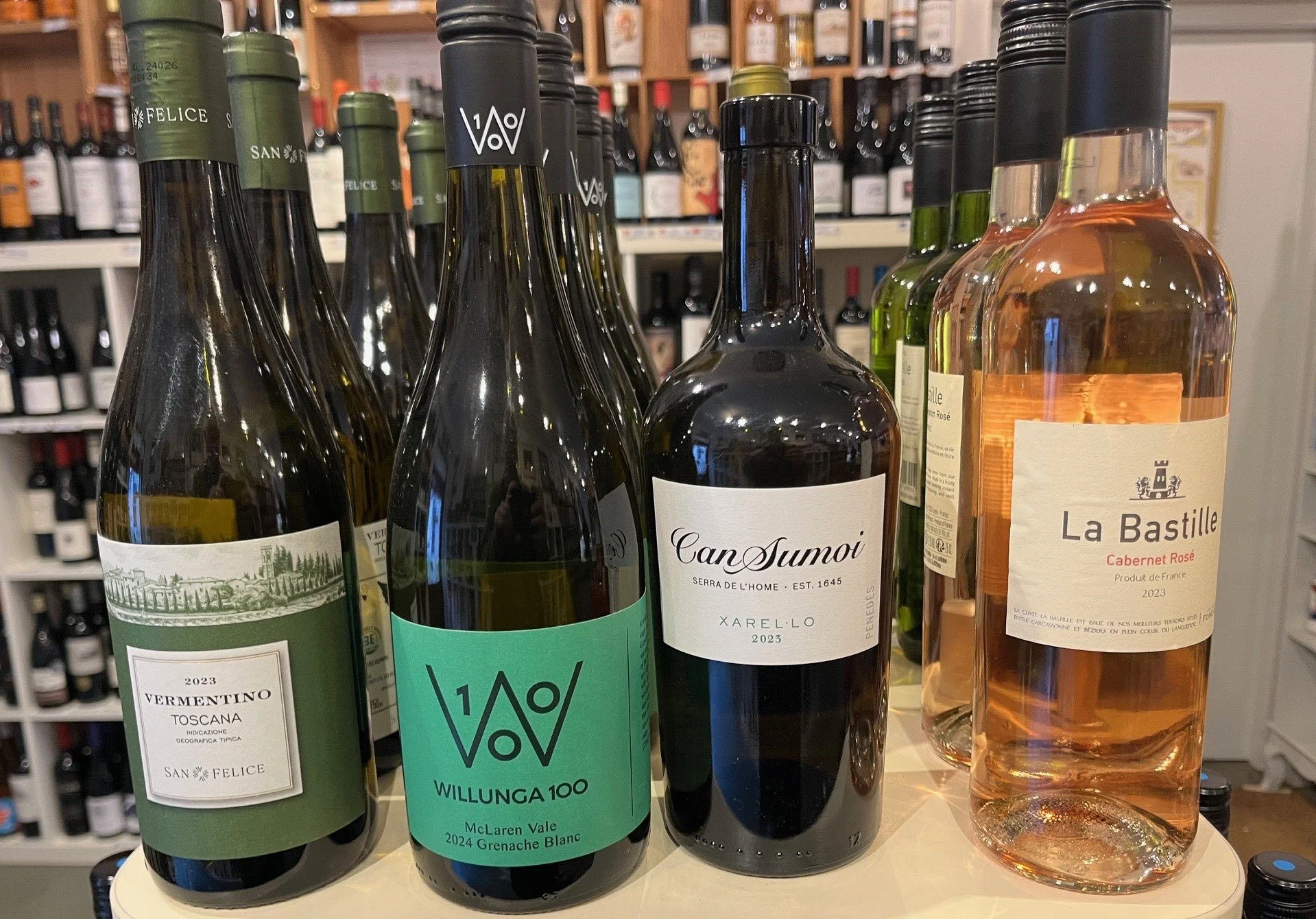
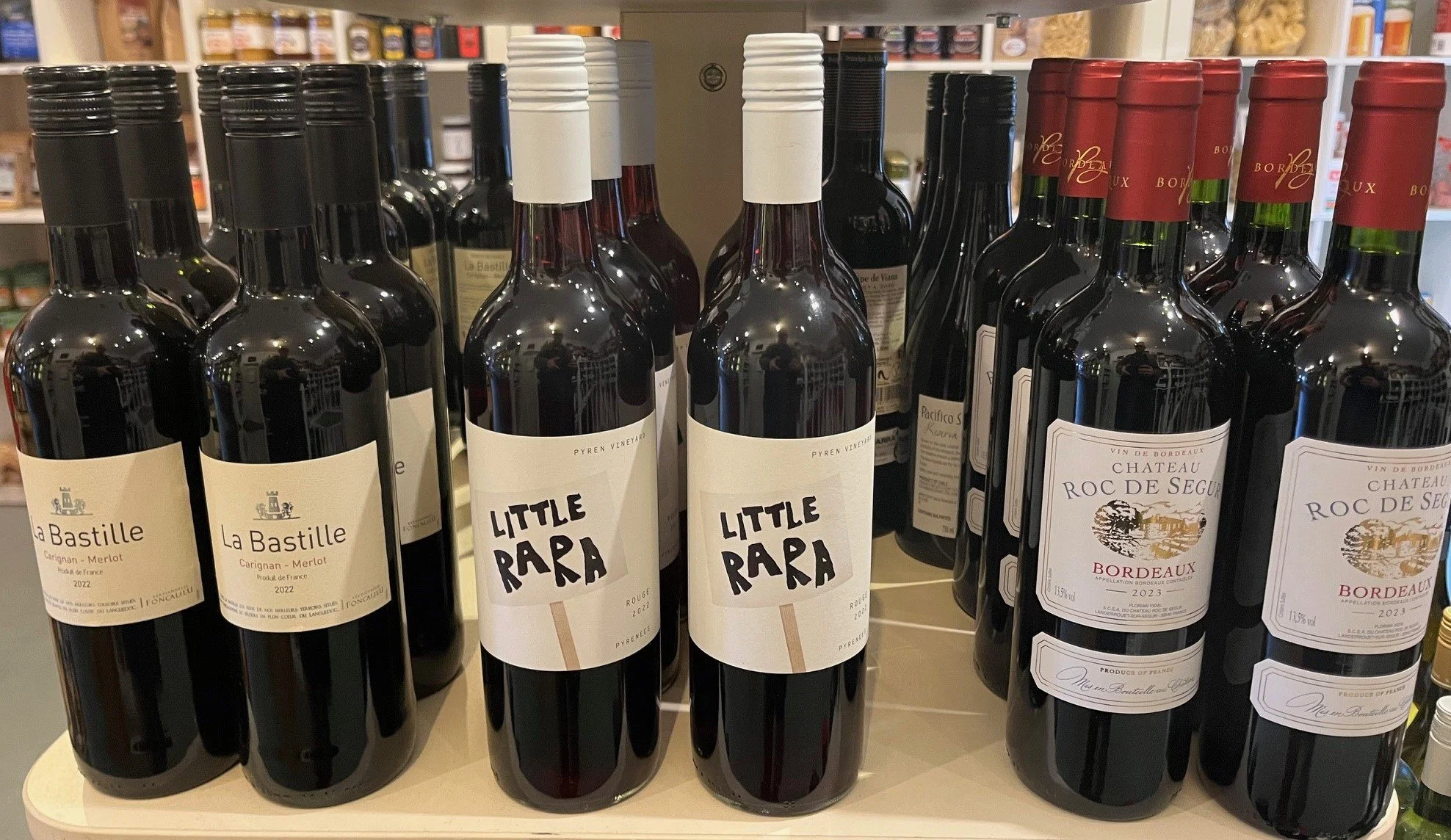
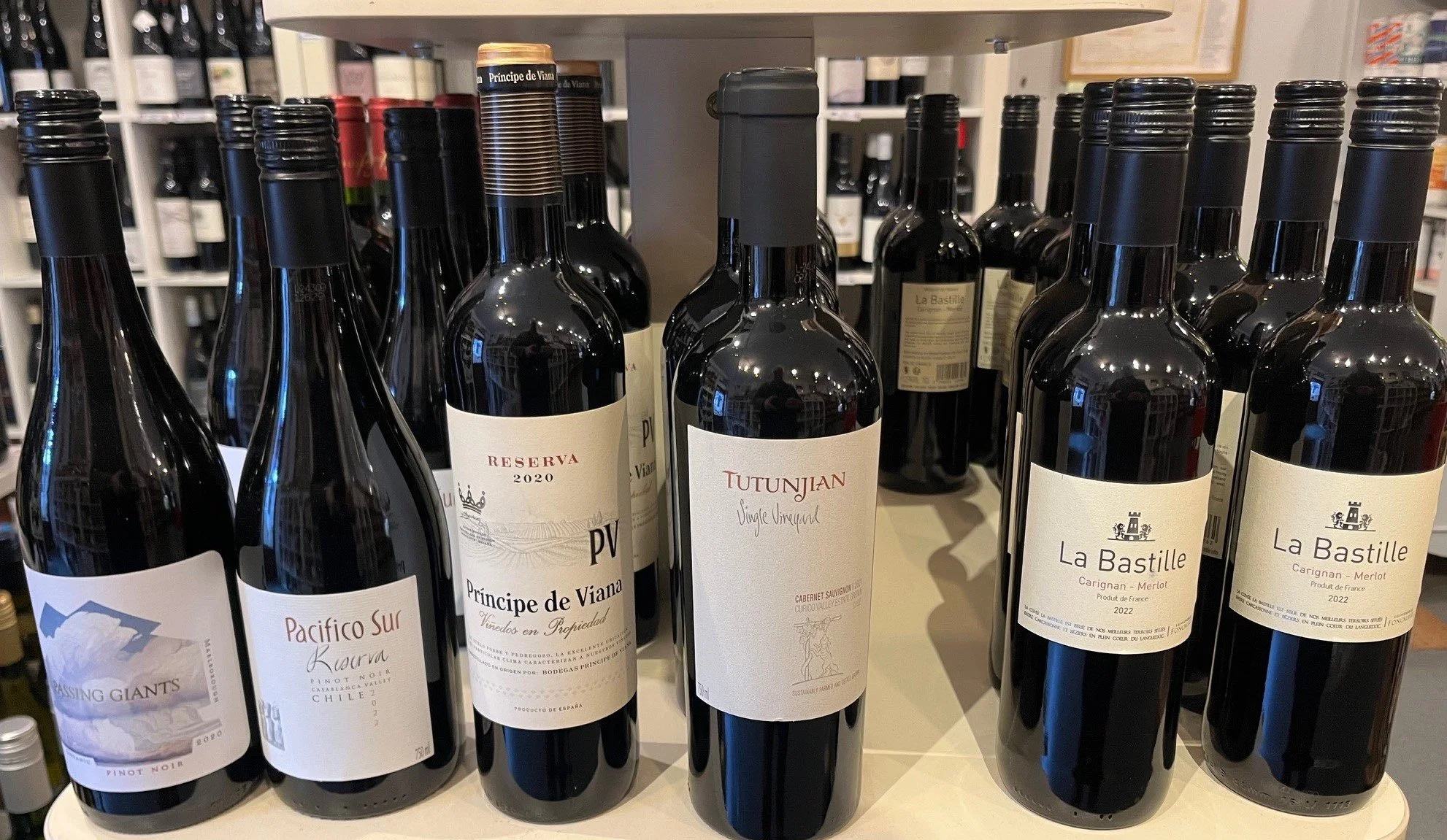
We’ve been running a wine sale for the past week. We may still be doing so by the time you read this, but that depends on whether there’s any sale wine left.
Unlike most supermarkets and big chains, we don’t build supposed special offers into our business plans. Rather, we wait till we have a reasonable number of bottles we want to move through quickly – torn or stained labels, stray bottles of an old vintage, leftovers from cases that we bought to try and didn’t like enough to stock permanently – then we sell them off at half price. We don’t do it very often, usually just twice a year. Spring is a particularly good time to pick up a bargain, as it’s now that we review the wine list of the restaurants we supply across the county. There’s always a handful changes made to each list – things that didn’t sell last year, or that don’t match a new menu – so we often have a case or two we want to clear quickly to make space for new stock. We might offer 10% off occasionally if we are holding a tasting, or introducing an exciting new winery to the shop. But big discounts are a rare occurrence.
The supermarkets have a different business model. Rather than finding wines they love, buying some, then trying to work out how to persuade their customers to fall in love with them too – which is what I do, naïve fool that I am! – they start with financial calculations. The finance director says, ‘We want a core range of 1,000 wines, 800 of which must sell for the same or less than our competitors, which means less than £12.’
The head buyer replies, ‘It’ll be hard to get decent wines from around the world at that price.’
The product development manager chips in, ‘Not at all: we have contracts with huge wine factories in France, Spain, Chile and Australia. We’ll get them to make own label stuff for us. In fact each factory can bottle similar wines in a variety of different labels, so you don’t really need 800 different wines, just 800 different labels for half that many wines.’
‘I’ve got an idea,’ says the marketing director. ‘Make sure that half our labels are designed to look cheap, but the other half are designed to look expensive. Use words like Reserve or Special Selection.’
‘What’s the point of that?’ asks everyone else.
‘Ah ha! We sell ‘Special Reserve Malbec’ for £15 for a month,’ says the marketing director, ‘and nobody much buys it. But then for the next five months we sell it for £10. What an amazing special offer! 33% off!’
‘But it was always a £10 wine from the start,’ exclaims the finance director, ‘dressed up to look like a £15 wine! Brilliant.’
Just then a small shopkeeper’s voice is heard shouting from outside the windows of the boardroom: ‘But that’s misleading and immoral!’
The company’s lawyer, who has been sitting impassively until now, speaks at last. ‘Immoral it may be, but not illegal. I refer, m’lud, to The Consumer Protection (Code of Practice for Traders on Price Indications) Approval Order 2005, and its subsequent updating by the Consumer Protection from Unfair Trading Regulations 2008. I rest my case.’
And I rest my case of wine on the counter for a moment while I dry my self-pitying tears.
Reports suggest that around two-thirds of the wine sold in supermarkets is sold at discounted prices. But are customers really getting a bargain? Well, if they enjoy what they buy – which is the whole point – I suppose they are. But I have a lot of sympathy for the more critical view voiced by wine critic Jancis Robinson, who wrote, ‘much of the wine on offer on British supermarket shelves has been relatively lacklustre, dominated by the need to shave pennies off the selling price.’
Everyone has different priorities, and different budgets for spending on non-essential stuff like wine. That’s completely understandable. Still, as a community whose economy has been built on agriculture for centuries, I suspect most Orcadians understand that good produce – whether beef, tatties or grapes – can’t always be made cheaper. Not without the quality falling away drastically.
Or, as one old Texas shopkeeper said, ‘Quality is like buying oats. If you want good, clean oats, you have to pay a fair price. If you want oats already run through the horse…well, that’s a little cheaper.’
The old Texas shopkeeper was Manny Gamage of Texas Hatters, an Austin institution. He liked pithy sayings. Another good one is, ‘As modern as yesterday, with tomorrow’s ideas..’ It makes complete sense if you think very hard about it, or, alternatively, don’t think at all.
This diary appeared in The Orcadian on 23rd April 2026.. A new diary appears weekly. I post them in this blog a few days after each newspaper appearance, with added illustrations, and occasional small corrections or additions.